Judaica
Torah Scroll Mantle: How to Choose a Cover Worthy of the Sefer Torah
What a Torah scroll mantle is, how it differs from a Sephardic case, and how to choose fabric, embroidery and fit with confidence.
מערכת ארגמן · 24 בנובמבר 2026 · 4 דק׳ קריאה
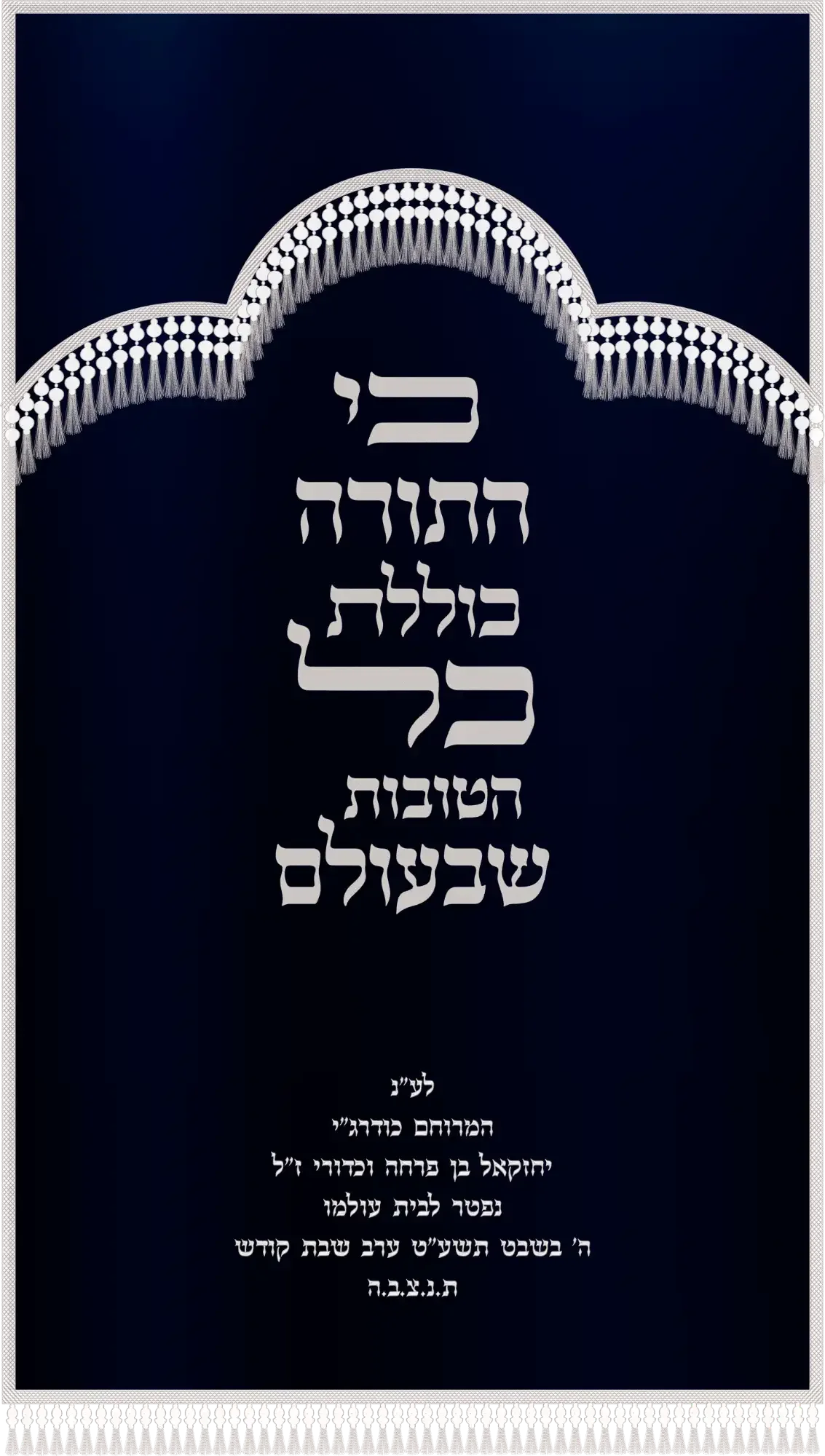
A Torah scroll mantle is the fabric cover that dresses the Sefer Torah when it is not being read, protecting the parchment and expressing the community's love for the scroll. For many congregations and families, choosing one is a meaningful moment, because the mantle is what everyone sees each time the ark opens.
In brief
- A mantle (called a "me'il" in Hebrew) is a fitted fabric sleeve that covers the rolled scroll, usually in Ashkenazi custom.
- Sephardic communities more often use a rigid case (tik), so the first step is knowing which tradition your synagogue follows.
- Fabric, embroidery, lining and exact measurements matter as much as the design itself.
- A mantle often coordinates with the ark curtain and bimah cover for a unified look.
What Is a Torah Scroll Mantle?
A Torah scroll mantle is a decorated cloth cover that slips over the two wooden rollers and the parchment between them. It keeps dust and friction away from the scroll and gives the Torah a dignified appearance. You can read more about the scroll itself in this overview of the Sefer Torah.
Traditionally, the mantle is topped with a crown or breastplate and a yad (pointer) in many communities, all chosen to honor the scroll. The mantle is usually the largest textile element of that dress, so it sets the visual tone.
Mantle or Case: Which Tradition Do You Follow?
The mantle and the case are two different ways of housing a Torah scroll, and the choice usually follows community custom. The table below offers a simple, general comparison.
| Feature | Mantle (Ashkenazi custom) | Case / Tik (Sephardic custom) |
|---|---|---|
| Material | Soft fabric, often velvet | Rigid case, wood or metal with fabric |
| Scroll position | Usually lying down when read | Often standing upright when read |
| Decoration | Embroidery, appliqué, metallic thread | Engraving, metalwork, embroidery |
| Best for | Communities wanting rich textile design | Communities following the case tradition |
If you are unsure, ask your rabbi or gabbai what your community's practice is before ordering.
Fabrics, Embroidery and Symbols
The best fabric for a mantle is one that is durable, soft on the parchment and rich in color, and velvet is the most common choice for those reasons. Embroidery is then layered on top using gold, silver or colored threads.
Popular motifs include:
- The crown of Torah (Keter Torah)
- Lions, symbolizing strength
- The Tablets of the Covenant
- The Twelve Tribes
- Jerusalem and the Temple
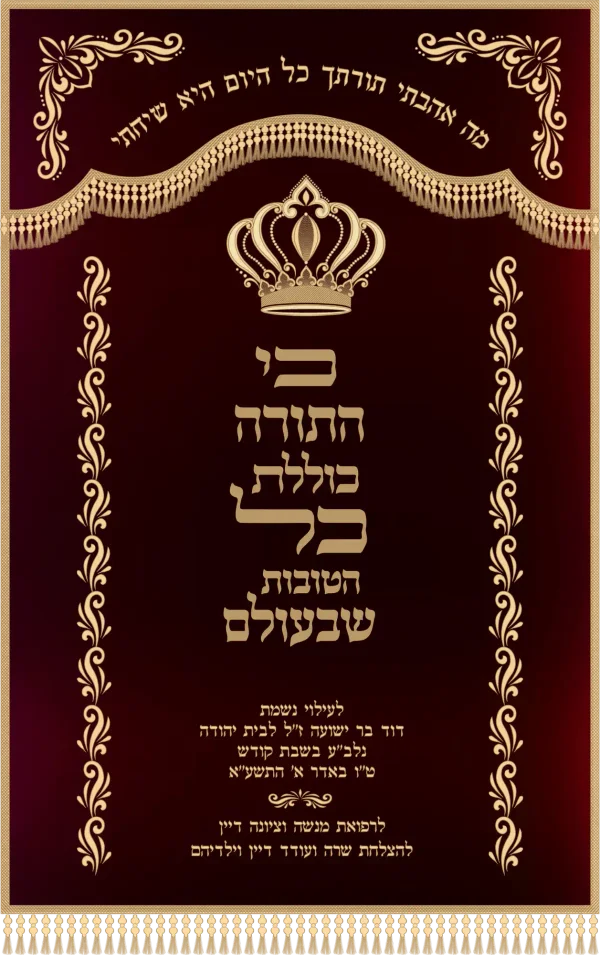
- A dedication or verse, such as "כי התורה"
Embroidered text is often a dedication in memory of a loved one or in honor of a simcha. Keep the wording short and legible, and have it proofread by someone fluent in Hebrew before stitching begins.
Five Fit Checks Before You Order
A well-fitting mantle is one made to the exact dimensions of your scroll, not a generic size. Before ordering, check these points:
- The height of the parchment and of the rollers.
- The circumference of the scroll when rolled.
- The opening at the top for the rollers to pass through.
- Whether a crown or breastplate will be used, since this affects the neckline.
- The color and style of the other textiles in the sanctuary.
Measure with the scroll in its rolled state, and ask for help from a scribe or the person who cares for the scroll if needed.
Matching the Mantle to the Rest of the Sanctuary
A mantle looks best when it speaks the same visual language as the ark curtain and bimah cover. Many communities choose one color palette and repeat a key motif across all pieces. You can browse expanded-design Torah mantles for inspiration, or look at the matching Torah ark curtains. Argaman (ארגמן) creates embroidered Judaica of this kind, including mantles designed to coordinate with other textiles.
Caring for Your Mantle
Gentle care keeps a mantle looking fresh for years. Store it in a dry, ventilated ark, avoid direct sunlight that can fade color, and handle metallic embroidery carefully. For stains or repairs, consult a professional textile specialist rather than washing it yourself.
Frequently Asked Questions
Is a mantle required for every Torah scroll?
Practice differs between communities. Ashkenazi communities commonly use mantles, while many Sephardic communities use a case. Your rabbi can advise on local custom.
Can a mantle be embroidered with a dedication?
Yes. Names, dates and short verses are commonly embroidered, usually near the bottom or on a central panel.
How long does a custom mantle take?
It depends on the complexity of the embroidery and the workshop's schedule, so ask for a timeline when you place the order.
Should the mantle match the ark curtain?
It is not a requirement, but many communities find that coordinated colors and motifs create a harmonious, unified space.
Conclusion
A thoughtfully chosen Torah scroll mantle protects the scroll and adds beauty to every Shabbat and festival. Start with your community's custom, measure carefully, choose durable fabric and meaningful symbols, and the result will serve your congregation for many years.
You may also like
עוד מהעולם של ארגמן
Judaica
Pitum Haketoret Cover: Meaning, Design and How to Choose
A gentle guide to the Pitum Haketoret cover: its meaning, embroidery styles, fabrics and what to consider before choosing one.
Judaica
Torah Ark Curtains: A Guide to Styles, Symbols and Choosing with Confidence
A warm guide to Torah ark curtains: what a parochet is, common designs and symbols, and what to think about before choosing one.
Judaica
Upsherin Accessories (אלמנט לחלאקה): What Families Prepare for the First Haircut
A warm guide to upsherin accessories: the tallit, kippah, siddur and keepsakes families often prepare for a boy's first haircut celebration.