Judaica
Upsherin Accessories (אלמנט לחלאקה): What Families Prepare for the First Haircut
A warm guide to upsherin accessories: the tallit, kippah, siddur and keepsakes families often prepare for a boy's first haircut celebration.
מערכת ארגמן · 22 בנובמבר 2026 · 4 דק׳ קריאה
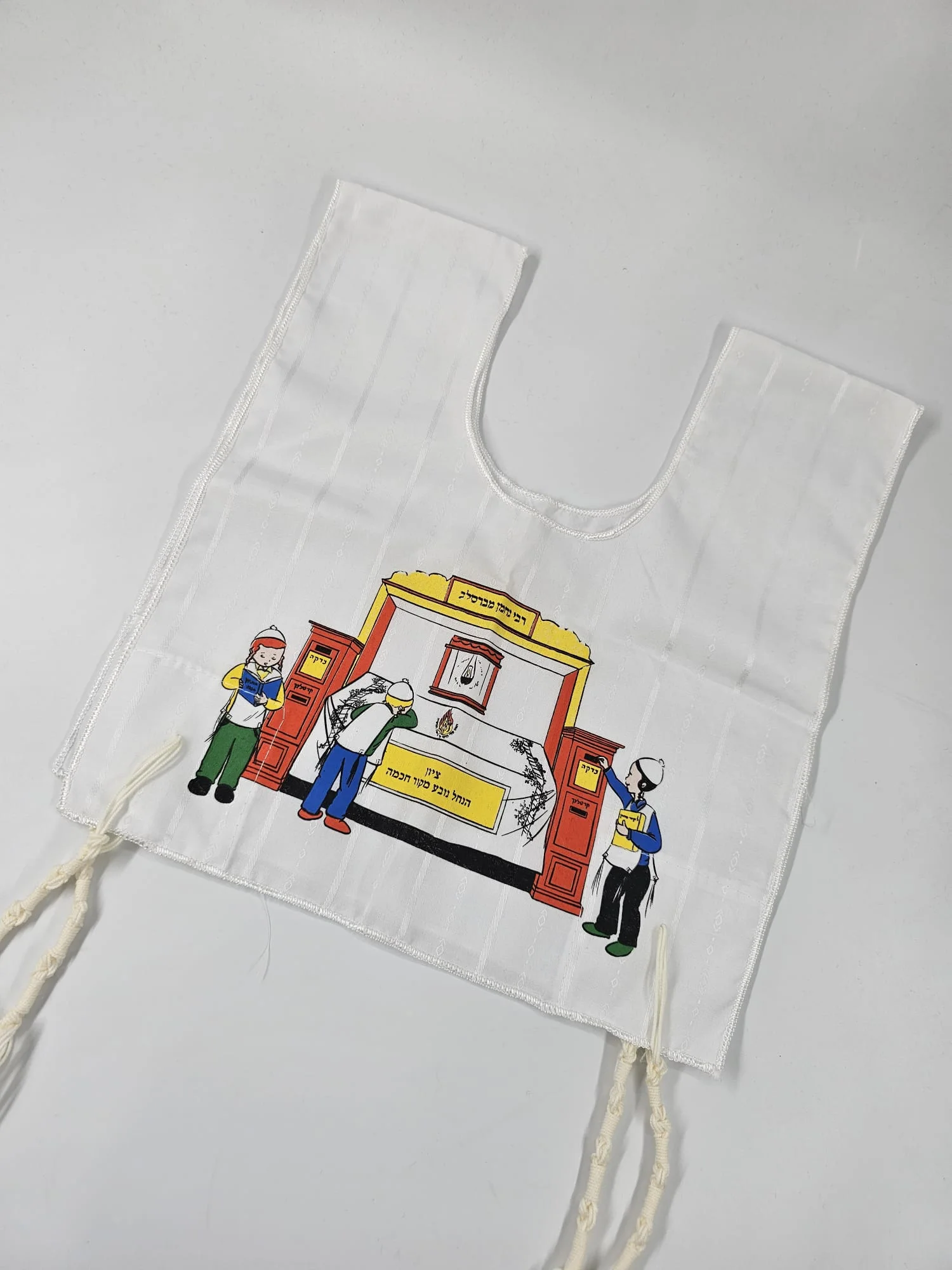
Upsherin accessories (in Hebrew, chalaka items) are the special objects a family gathers for a boy's first haircut, traditionally at age three. They matter because this day marks the start of his formal Jewish education, and the items turn a family milestone into a keepsake he can grow into.
In brief
- The upsherin, or chalaka, is a celebration of a boy's first haircut, often held around his third birthday.
- Many families prepare a small tallit, a tallit cover, a kippah and a siddur for the child.
- Some also choose a pouch to keep a lock of his first hair as a memento.
- Customs differ between communities, so it is best to ask your rabbi or family elders what they follow.
What Are Upsherin Accessories?
Upsherin accessories are the ritual and keepsake items that accompany a child through his first haircut ceremony. Customs vary widely, but the day is usually a joyful gathering of family and friends, and the child is often introduced to items he will use as he begins learning. You can read a general overview of the custom on Wikipedia's Upsherin page.
Because the child is so young, parents often choose items that are soft, colorful and personal, so that he feels the occasion is truly his.
Common Items Families Choose
There is no single required list, and each family follows its own tradition. These are the items most often mentioned:
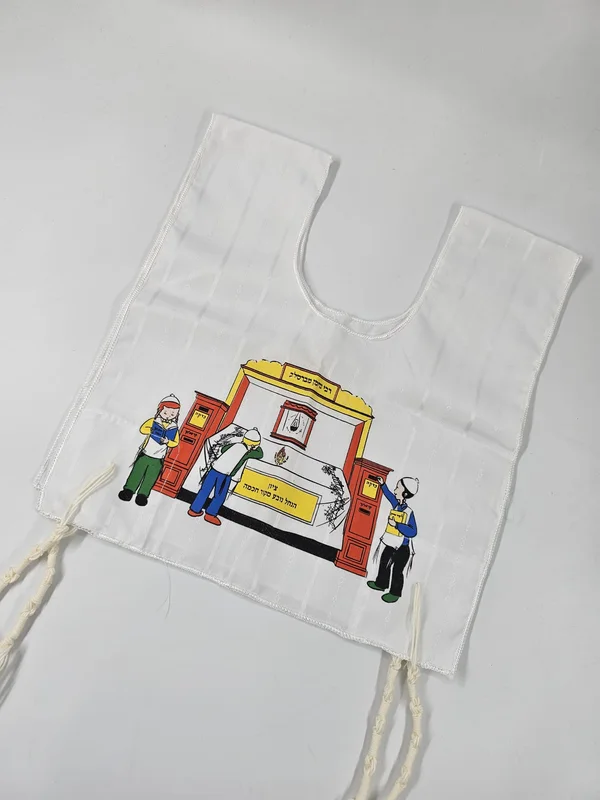
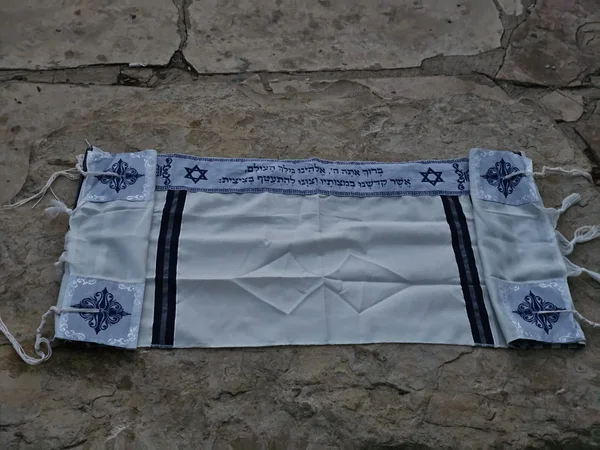
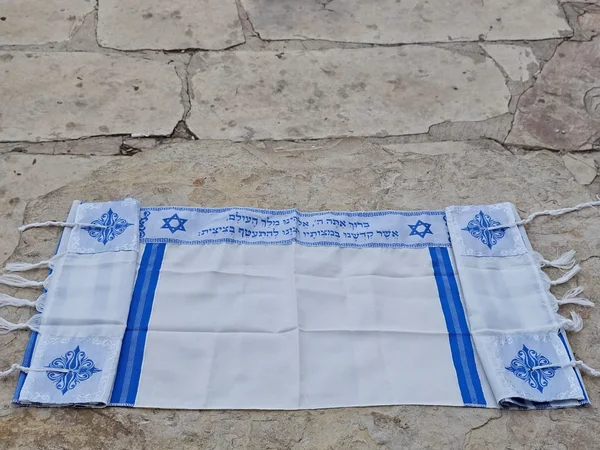
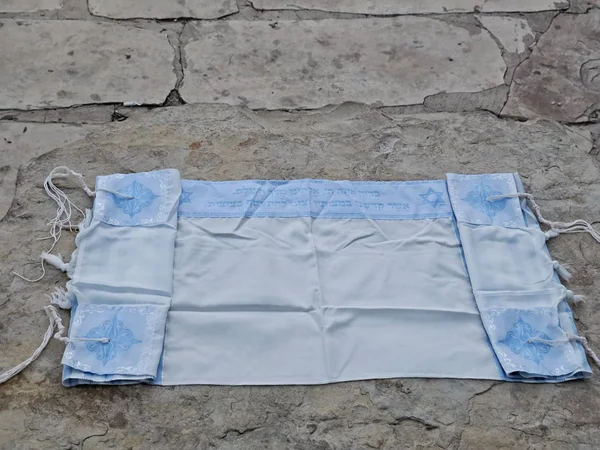
- A child's tallit – often with tzitzit, so the boy can wear it proudly on the day.
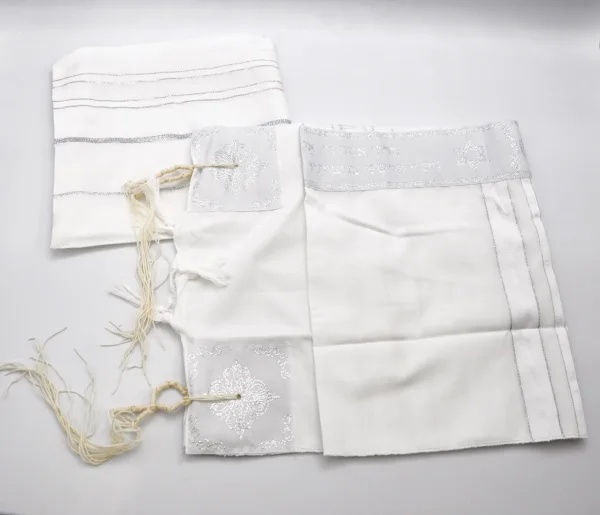
- A tallit cover – a protective embroidered bag that keeps the tallit tidy.
- A kippah – a new one, sometimes embroidered with his name.
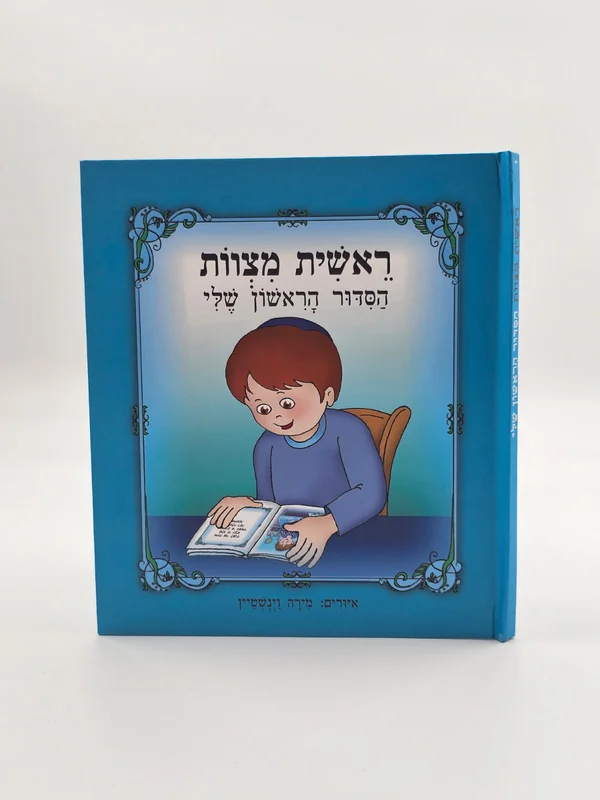
- A siddur – a first prayer book he can carry to synagogue.
- A pouch for the first lock – a small case for a keepsake of the haircut.
A Quick Guide to Each Item
Each accessory has a simple role, and seeing them side by side can help you plan.
| Item | Its role on the day |
|---|---|
| Tallit | A first garment with tzitzit for the child |
| Tallit cover | Keeps the tallit protected and ready for use |
| Kippah | A personal head covering, often with his name |
| Siddur | His first prayer book |
| Keepsake pouch | Holds a memento of the first haircut |
Ready-Made Sets for the Chalaka
A chalaka set is a bundle of coordinated items sold together, so the family does not need to match each piece separately. Argaman (ארגמן) offers sets of this kind, such as the chalaka set with a tallit, tallit cover, siddur, kippah and a cover for the first lock, and a set with a tallit, tallit cover, a pouch for the first lock and scissors.
You can also browse the full chalaka category to compare designs and colors.
Tips for Choosing Well
The best choice is the one that fits your family's custom and your child's personality. A few practical thoughts may help:
- Ask your rabbi or family elders about local customs before ordering.
- Choose a tallit size that your son can actually wear comfortably.
- Consider personal embroidery, such as his name or a meaningful verse.
- Order early enough to allow for embroidery and delivery before the event.
- Pick colors and designs he will still enjoy as he grows.
Making the Day Meaningful
The heart of the upsherin is the child and the community around him. Many families add a short blessing, the learning of the first Hebrew letters, or a small gift of sweets. The accessories simply add beauty and continuity, giving him something tangible to connect to the day for years to come.
Frequently Asked Questions
When is an upsherin usually held?
Many families hold it around the boy's third birthday, though the exact timing and customs differ between communities. It is worth checking with your rabbi.
Is the chalaka the same as the upsherin?
Yes. "Chalaka" is the Hebrew term commonly used for the first haircut celebration, while "upsherin" is the Yiddish-influenced name.
Do all families use the same items?
No. Some use a full set, while others choose just a tallit or a kippah. The right selection depends on family and community custom.
Can the items be personalized?
Often yes. Embroidery with the child's name or a short blessing is a popular way to make the accessories a lasting keepsake.
Conclusion
Choosing upsherin accessories is a chance to prepare something lasting for a child's first step into Jewish learning. Whether you select a full set or a few carefully chosen pieces, a thoughtful selection helps make the day warm, personal and memorable for the whole family.