Judaica
Pitum Haketoret Cover: Meaning, Design and How to Choose
A gentle guide to the Pitum Haketoret cover: its meaning, embroidery styles, fabrics and what to consider before choosing one.
מערכת ארגמן · 23 בנובמבר 2026 · 4 דק׳ קריאה
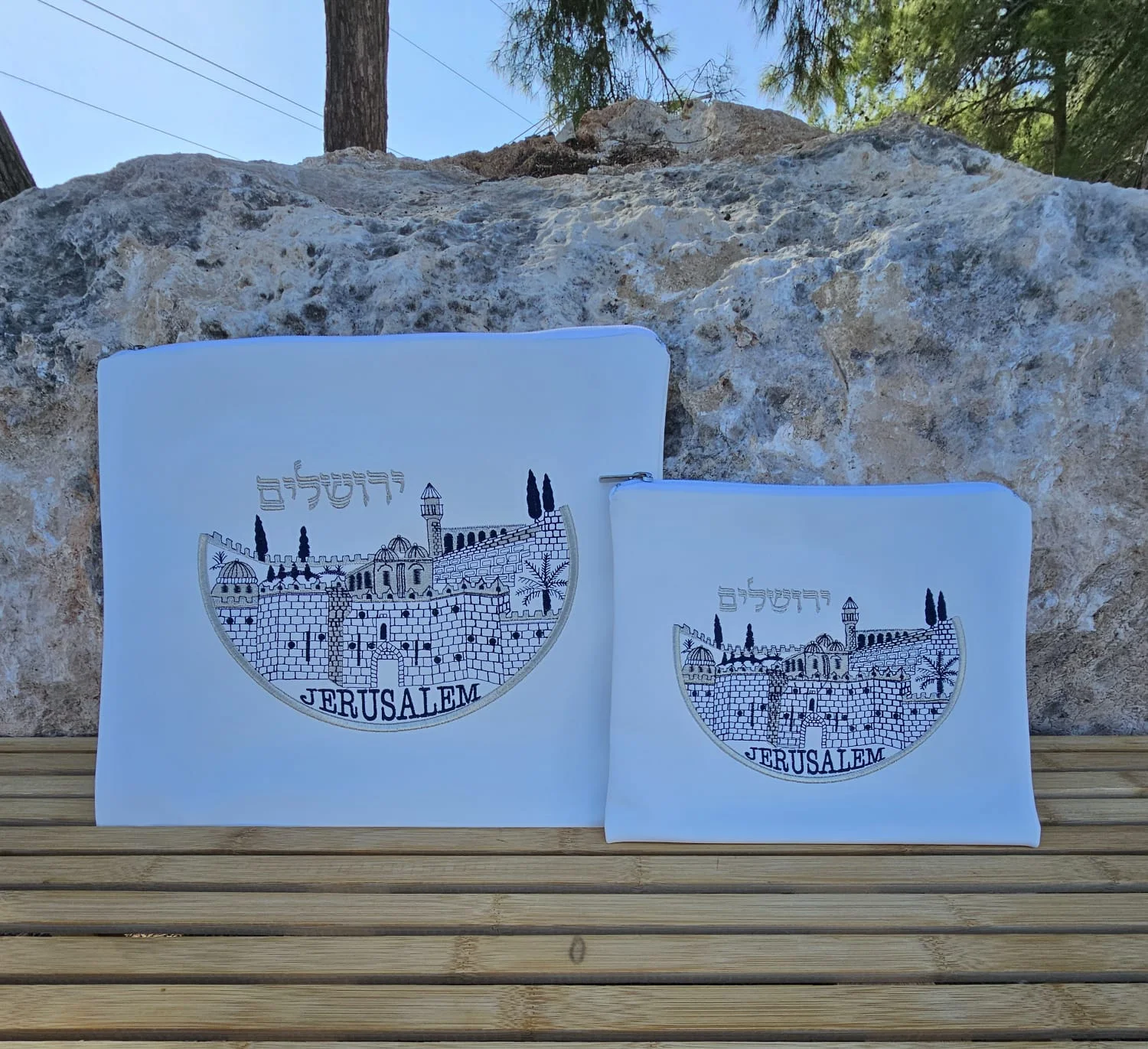
A Pitum Haketoret cover is an embroidered or decorated cover that carries the passage describing the incense offering of the Temple, the Pitum Haketoret. It matters because it turns a well-loved text into a beautiful object that accompanies prayer, whether it protects a tallit and tefillin set or honors a special occasion.
In brief
- The Pitum Haketoret refers to the incense mixture of spices burned in the Temple, and its passage is familiar from many prayer books.
- A cover bearing this text is usually a decorative item, often made as a tallit and tefillin cover or a gift.
- Fabric, thread color, lettering style and size are the main choices when selecting one.
- Choosing a cover that fits your set and your personal taste matters more than following a single fixed style.
What Is the Pitum Haketoret?
The Pitum Haketoret is the incense blend that was offered in the Temple, described in the Torah in the Book of Exodus (chapter 30). Many Jewish communities read about its spices as part of their prayer tradition, and the text has long been admired for its connection to the Temple service. You can read more background on the Ketoret on Wikipedia or study the source verses on Sefaria.
Because the passage is so rooted in memory of the Temple, many people feel it is a meaningful text to keep close, which is why it appears in embroidery as well as in books.
Why a Pitum Haketoret Cover Is a Meaningful Choice
A Pitum Haketoret cover is meaningful because it brings words of tradition into an everyday ritual object. Instead of a plain bag, you carry a piece that reflects your connection to Jewish heritage each time you head to prayer.
Families often choose such pieces for milestones. A bar mitzvah, a wedding or a new beginning are typical moments when someone wants a gift that is both useful and rich in symbolism. Remember that customs differ between families and communities, so it is always worth asking your rabbi or family about local practice.
Popular Design Elements
The most common designs combine text with symbolic motifs, and the choice is largely a matter of taste. Here are elements you will often see:
- Embroidered lettering: the Hebrew words of the passage, in a classic or modern script.
- Temple imagery: a depiction of the Temple, the incense altar or the Menorah.
- Jerusalem motifs: city walls and skyline, which pair naturally with the theme.
- Metallic threads: gold or silver for a festive, elegant look.
Choosing Fabric and Color
The right fabric depends on how you plan to use the cover: daily carrying calls for sturdiness, while a gift may favor a luxurious feel. The table below summarizes general characteristics.
| Material | General feel | Best suited for |
|---|---|---|
| Velvet | Soft, rich and traditional | Gifts and special occasions |
| Faux leather | Smooth and practical | Everyday use |
| Black or dark tones | Classic and understated | Gold or silver embroidery |
| Blue or white tones | Fresh and light | Jerusalem or Temple themes |
If you are browsing options, you might look at the black Kotel tallit and tefillin cover set for a classic look, or explore the full tallit and tefillin covers collection to compare styles, colors and fabrics.
Practical Tips Before You Order
The best way to choose well is to start with practical details and then move to design. Consider the following:
- Check the size of your tallit and tefillin bags so the cover fits comfortably.
- Decide whether the cover is for personal use or as a gift, and consider the recipient's style.
- Ask whether the text and any personal name or dedication can be embroidered, and confirm spelling carefully.
- Choose thread colors that remain legible against the fabric.
Argaman (ארגמן) works with embroidery and design of Judaica, and a clear conversation about size, text and colors helps ensure the final piece suits you.
Frequently Asked Questions
What does a Pitum Haketoret cover usually look like?
It typically features embroidered Hebrew text from the passage, sometimes alongside Temple or Jerusalem imagery, on fabric such as velvet or faux leather.
Is it a required ritual item?
It is generally regarded as a decorative and meaningful accessory rather than something everyone uses. For questions about practice, please consult your rabbi.
Can it be a gift?
Yes. Many people choose it as a gift for a bar mitzvah, a wedding or a holiday because it combines usefulness with symbolism.
How do I care for an embroidered cover?
Keep it dry and away from direct sunlight, and spot clean gently. Follow any care instructions that come with the specific fabric.
Final Thoughts
A Pitum Haketoret cover is a way to keep a cherished text and a sense of the Temple's beauty close in daily life. Take your time with the fabric, colors and lettering, and choose a piece that feels right for you or for the person receiving it.
You may also like
 כיסוי טלית ותפילין דמוי עור ירושלים
 כיסוי טלית ותפילין דמוי עור כחול ג'ינס יברכך
 כיסוי טלית ותפילין דמוי עור אפור יברכך
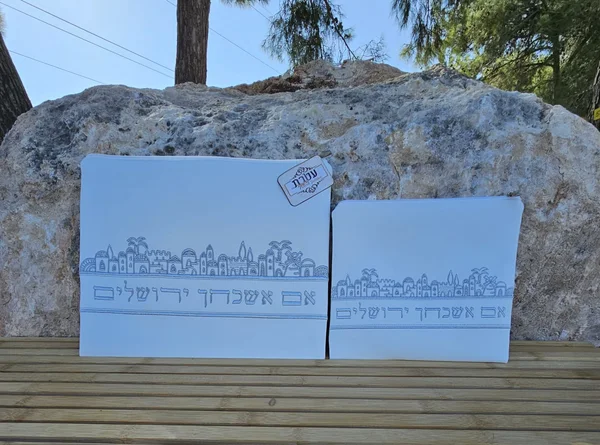 כיסוי טלית ותפילין דמוי עור לבן חומות ירושלים
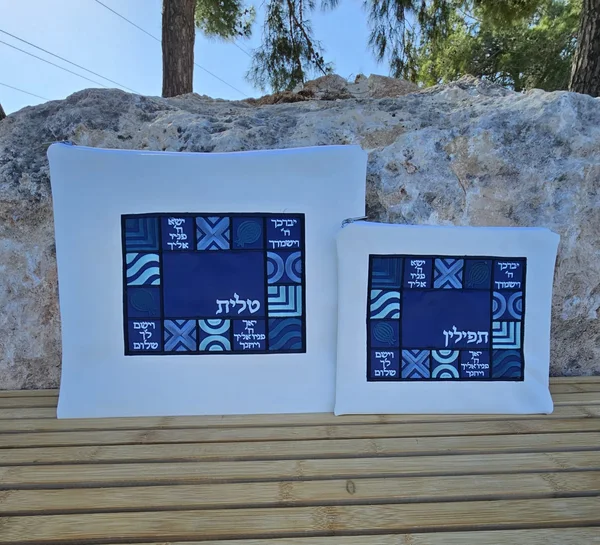 כיסוי טלית ותפילין דמוי עור ברכת כהנים מדוגם
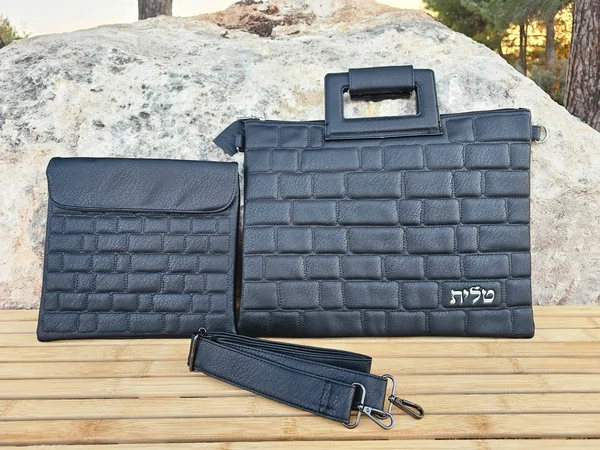 סט כיסוי טלית ותפילין שחור כותל
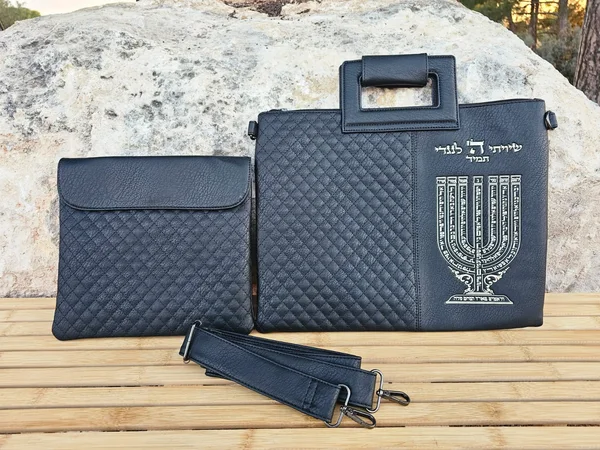 סט כיסוי טלית ותפילין שחור דגם למנצח זהב
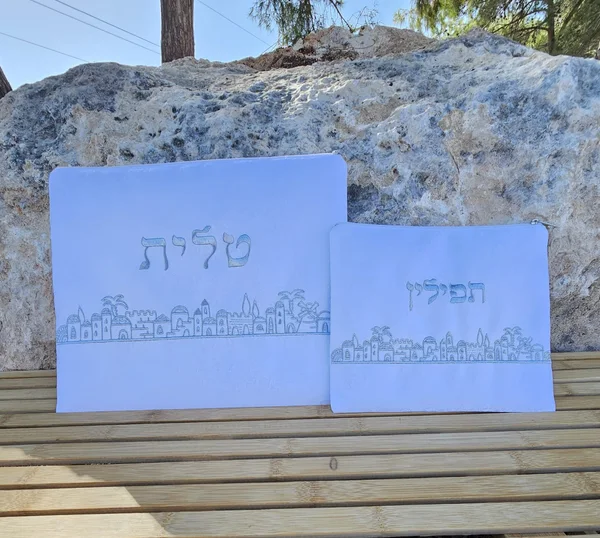 כיסוי טלית ותפילין קטיפה לבן חומות ירושלים
עוד מהעולם של ארגמן
Judaica
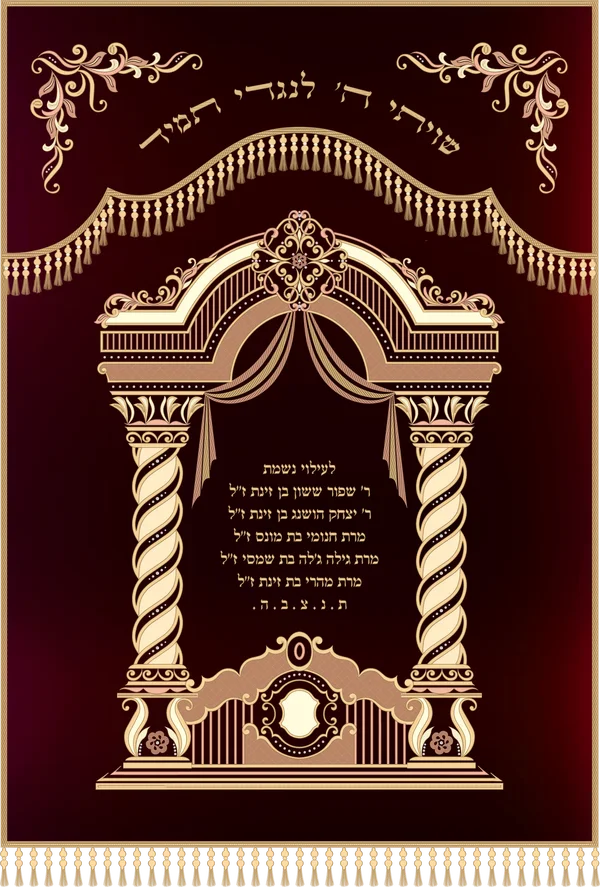
Torah Ark Curtains: A Guide to Styles, Symbols and Choosing with Confidence
A warm guide to Torah ark curtains: what a parochet is, common designs and symbols, and what to think about before choosing one.
Judaica
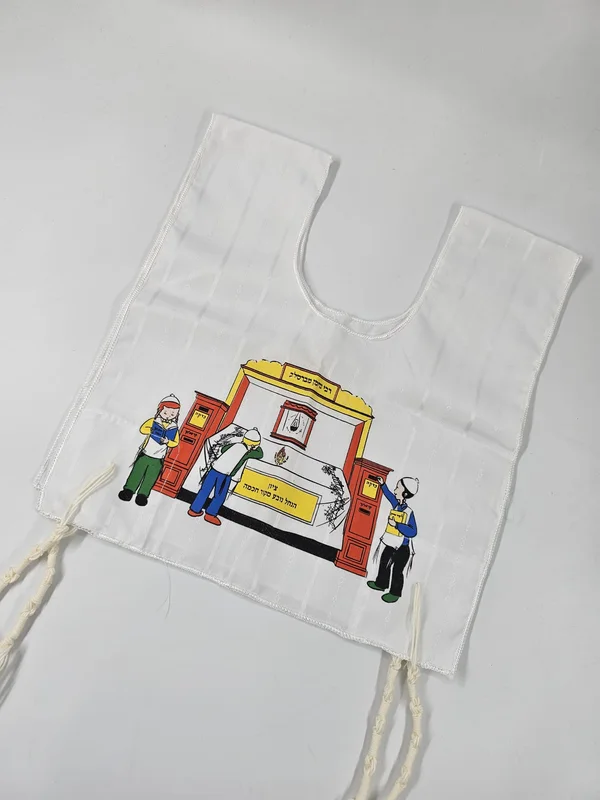
Upsherin Accessories (אלמנט לחלאקה): What Families Prepare for the First Haircut
A warm guide to upsherin accessories: the tallit, kippah, siddur and keepsakes families often prepare for a boy's first haircut celebration.